
As of March 2026, Minimum.com has been acquired by Novisto - cemeting Novisto’s position as the most comprehensive, "all-in-one" sustainability platform, designed to serve as the single source of truth for global enterprises navigating an increasingly complex regulatory landscape.

Why environmental data isn’t just the sustainability team’s responsibility
You’ve built a robust environmental dataset. It’s high-frequency, high-resolution, and accurate enough to support real decisions. But here’s the sticking point: sustainability teams aren’t the only ones responsible for taking decisions.
If emissions insights stay siloed, buried in dashboards or trapped in tools that no one else logs into, they’ll never drive the change they’re meant to enable.
The hard truth is: you can’t decarbonize a business if the business can’t see the data.
The engagement gap
If you’ve worked in sustainability for more than five minutes, you’ve probably heard some version of this:
“I get that carbon is important but at the end of the day we need to make money. If reducing emissions slows down delivery or increases costs, that’s not a trade-off I can make.”
“We just need better data.”
“We’ll get to it in Q4.”
Even well-intentioned colleagues can struggle to engage, and often, it’s not their fault. If the data arrives late, feels imprecise, or doesn’t connect to the decisions they’re making, why would they act on it?
It’s easy to assume that better dashboards will fix this. But charts alone don’t drive behaviour.
You need to meet people where they already work. Environmental data may lose its value when it’s hard to access or disconnected from decision-making, i.e. hidden away, presented in formats that don’t link to KPIs, or only surfaces long after decisions have been made.
Put the data in their world
If emissions data is locked in a specialist platform, it depends on others choosing to go look at it.
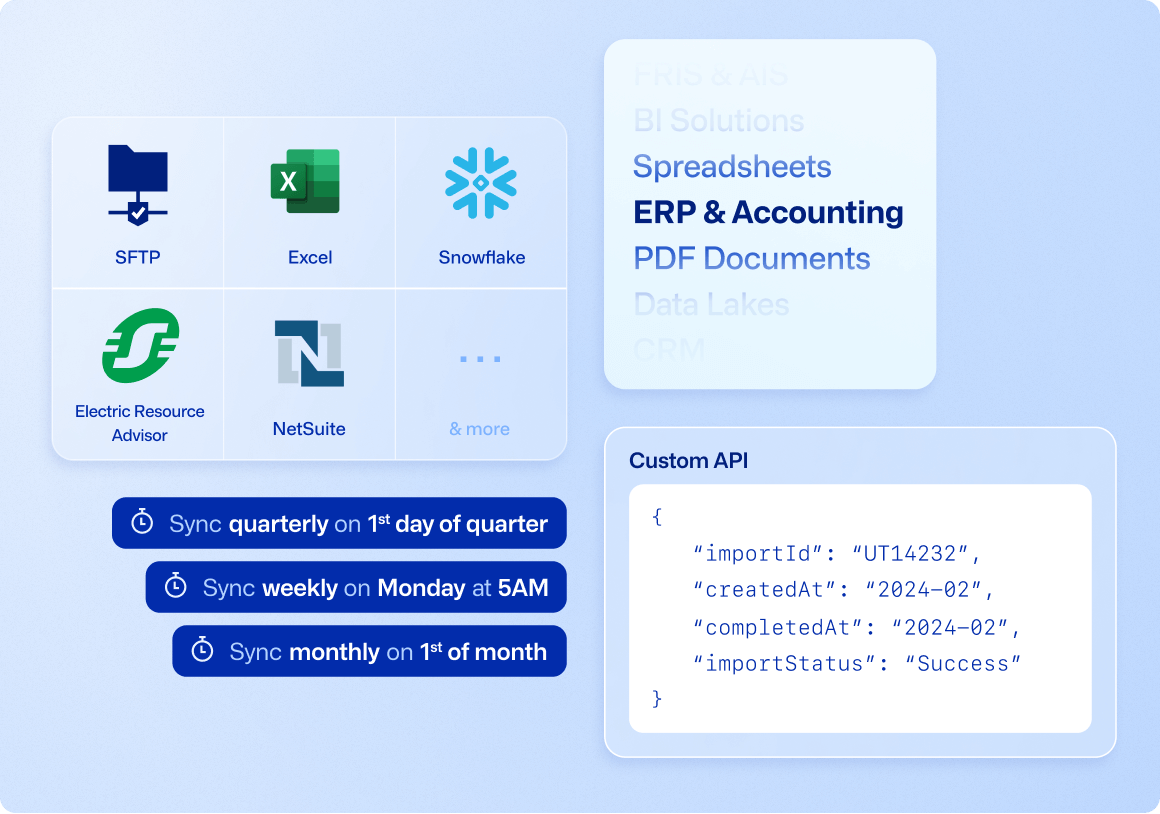
A better approach is to push data into the tools they already use: procurement platforms, supplier portals, logistics software, BI dashboards.
That’s when carbon data becomes operational, not just informational. It shows up next to the numbers people already care about - unit cost, delivery time, performance targets - and gives them new context for making decisions.
And it’s not just about access. It’s about relevance.
You don’t need to talk in tonnes of CO₂e to influence behaviour. For most people, intensity metrics - emissions per product, per pound, per kilometre - or even underlying activity data (like energy usage) land better.
Make it matter to their performance
Even the most accessible, real-time emissions data won't drive behavior change if people aren't measured on it. If procurement teams are only evaluated on cost and delivery, or operations teams only on efficiency and uptime, decarbonization will always lose out to other priorities.
The most successful organisations embed environmental data into performance. They evaluate teams on decarbonisation metrics and link to remuneration…but in order to do this effectively the data has got to be timely, shareable, relevant to each team’s objectives. That’s where strong data systems make the difference.

Real decarbonization is a team sport
There’s a regulatory push underway to bring sustainability data closer to financial data. Same cadence, same rigor, same scrutiny. But most organizations are still far from that reality.
If you want carbon data to be used, not just collected, it has to be understandable, visible, and embedded in the way decisions are made.
That’s how you go from compliance to change. From reporting to reduction.
And that’s how you stop being the only team in the business thinking about carbon.
Want to make carbon data part of how your business runs - not just how it reports?
Speak to our team about how Minimum helps organisations integrate carbon insights across systems, teams, and decisions.
